
- 01184050390
Search
Recent Post
Tags
- VAT
- June 23, 2026
- 5:06 pm
Making Tax Digital: What VAT-Registered Businesses Must Do Now
Making Tax Digital, commonly known as MTD, has fundamentally changed how VAT-registered businesses in the UK manage their tax records. If you’re still relying on spreadsheets or paper-based bookkeeping, it’s time to act — HMRC’s digital requirements are no longer optional, and non-compliance can result in penalties.
Here’s a clear, practical breakdown of what MTD actually requires and how to get compliant without the stress.
What Making Tax Digital Actually Means
At its core, MTD requires VAT-registered businesses to:
- Keep digital records of all sales and purchases
- Use MTD-compatible software to prepare and submit VAT returns
- Maintain a digital link between any software used, with no manual re-entry of data between systems
This means that simply emailing a spreadsheet to your accountant, or manually typing figures into HMRC’s portal, is no longer compliant — even if the final numbers are accurate.
Who Needs to Comply
All VAT-registered businesses are required to follow MTD rules, regardless of turnover. This includes:
- Sole traders registered for VAT
- Limited companies
- Partnerships
- Landlords with VAT-registered property businesses
- Charities and non-profit organisations registered for VAT
If your taxable turnover is above the VAT registration threshold, or you’ve voluntarily registered for VAT, MTD applies to you.
Choosing the Right Software
The good news is that compliance doesn’t need to be complicated. Popular cloud accounting platforms are already built with MTD in mind, including:
- Xero
- QuickBooks Online
- FreeAgent
- Sage Business Cloud
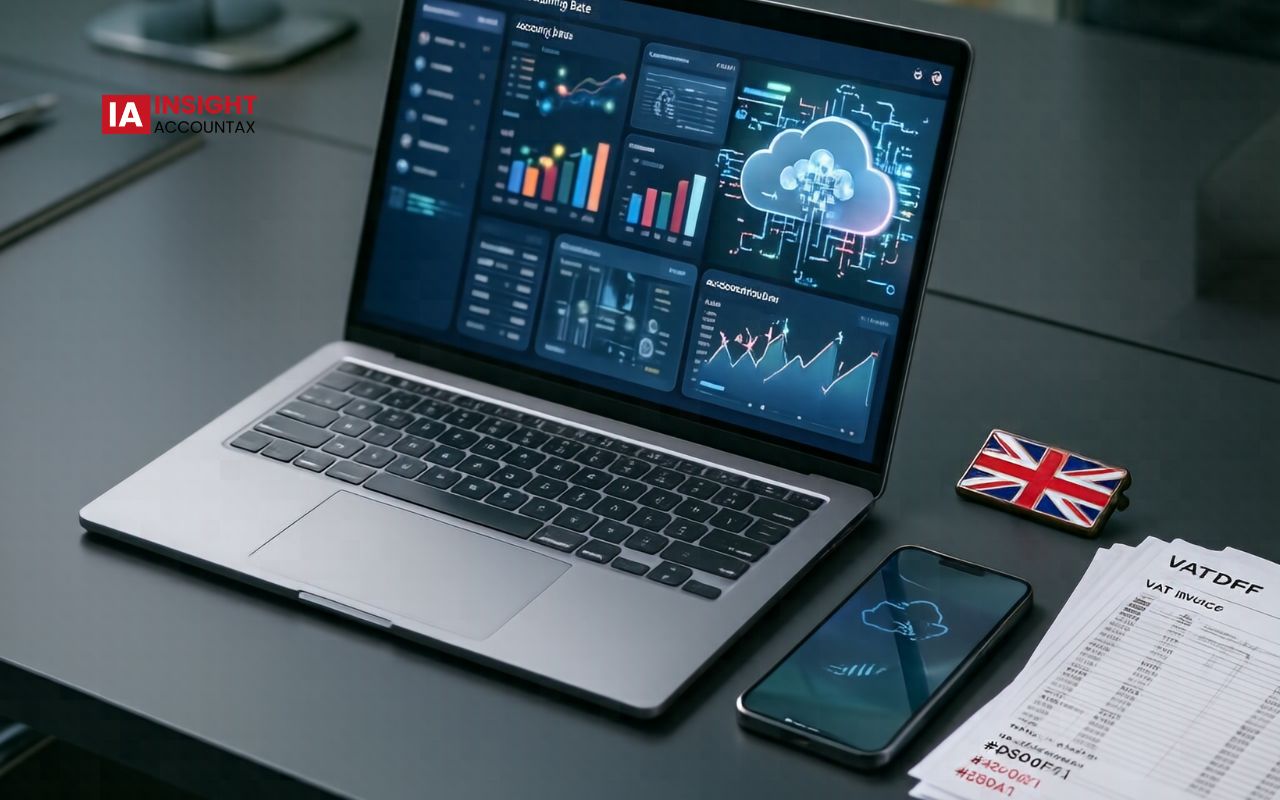
Each of these integrates directly with HMRC’s systems, meaning your VAT return data flows digitally from your bookkeeping records straight through to submission, without manual intervention breaking the digital link.
If you’re currently using spreadsheets, a “bridging software” solution can connect your spreadsheet to HMRC’s systems as a stop-gap — though we generally recommend moving to full cloud accounting software for better long-term efficiency.
Common Compliance Mistakes
Breaking the digital link. Copying figures by hand from one system to another, even briefly, breaks MTD compliance. Every step of your VAT calculation must flow digitally.
Using outdated software. Some older desktop accounting packages were never updated for MTD and can no longer submit returns directly to HMRC.
Inconsistent record-keeping. MTD doesn’t just apply at return time — you’re required to keep digital records throughout the accounting period, not just compile them retrospectively.
Penalties for Non-Compliance
HMRC operates a points-based penalty system for VAT returns submitted late or with errors. Persistent non-compliance can result in escalating financial penalties, and in serious cases, increased scrutiny of your wider tax affairs. It’s far easier — and considerably cheaper — to get compliant proactively than to deal with penalties after the fact.
What This Means for Your Business
If you haven’t yet transitioned to MTD-compliant software, now is the time. The transition is usually straightforward with the right support: most cloud platforms can import your historical data, connect directly to your bank feeds, and have you fully compliant within a matter of days rather than weeks.
How InsightAccountax Can Help
We help VAT-registered businesses across Reading and London transition smoothly to Making Tax Digital. From choosing the right software for your business, to migrating your existing records, to handling your quarterly VAT submissions on your behalf, we make sure you’re fully compliant without the administrative headache.
Get in touch with our team today to discuss your VAT and MTD requirements.
This article is for general information purposes and does not constitute tax advice for your specific circumstances. Speak to a qualified accountant before making tax decisions.